Summer Body: Designing Tees That Capture the Vibe
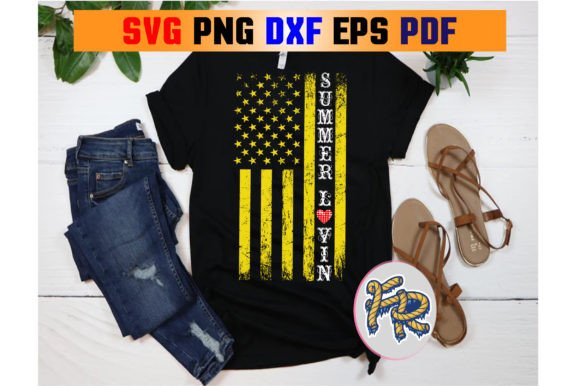
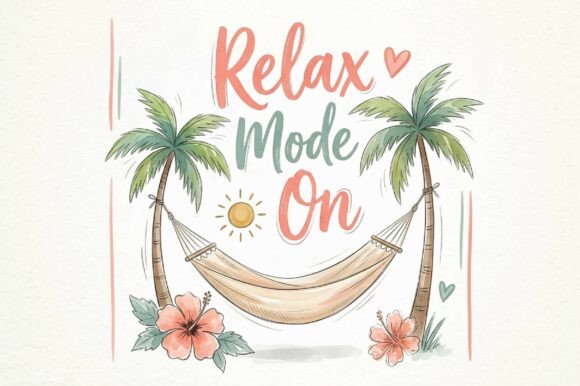
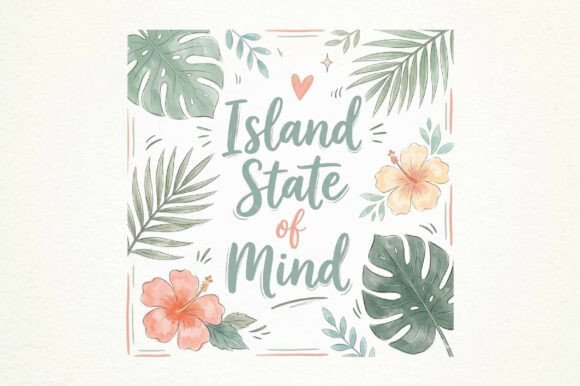
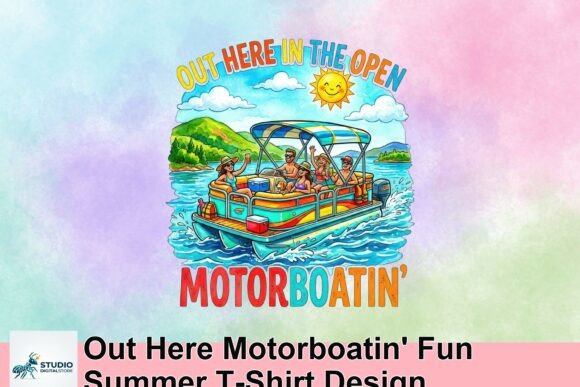
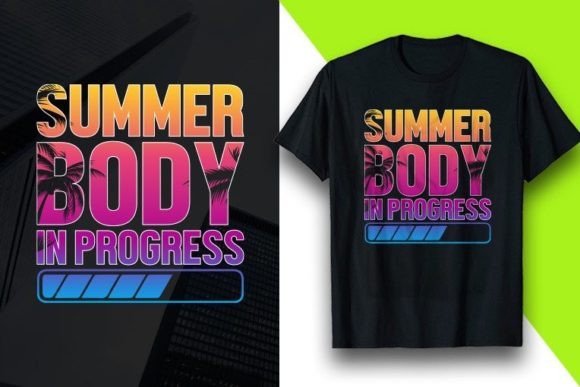
Capturing the essence of a sun-drenched season requires more than just bright colors; it demands a specific visual language that speaks to comfort, energy, and style. When you're exploring the concept of a Summer Body in Summer Tshirt Design, you're really looking at how to translate a feeling of vitality into wearable art. This isn't just about a graphic on a shirt; it's about creating a piece of visual communication that resonates with a lifestyle. As a graphic design and t-shirt expert, I specialize in crafting high-resolution, 100% original printable vector templates that serve as the foundation for standout merchandise. These assets are designed to be unique, eye-catching, and commercially ready, giving creators the tools to build brands that feel authentic and professional.
The Anatomy of Effective Seasonal Visuals
A successful summer design balances modern aesthetics with practical application. It’s a key element in a broader brand identity, especially for seasonal collections or lifestyle brands. The goal is to create a seamless connection between the visual design and the audience's aspirations. This involves careful consideration of typography, color palette, and composition. For instance, a surf-inspired design might use fluid, dynamic lines and a palette drawn from the ocean, while a fitness-focused "summer body" theme could employ bold, energetic fonts and contrasting, motivational hues. The right creative assets streamline your design workflow, allowing you to focus on customization and branding rather than starting from scratch.
Practical Applications Beyond the Tee
While the primary deliverable is a t-shirt design, a well-constructed template offers incredible versatility for various creative projects. Think of it as a core visual element that can be adapted across multiple platforms to strengthen brand consistency.
- Marketing & Digital Presence: Adapt the core graphic for social media graphics, digital marketing campaigns, and web design banners to maintain a cohesive seasonal look.
- Packaging & Merchandise: Extend the design to product packaging, tote bags, or hats, creating a unified brand experience.
- Editorial & Advertising: Use the artwork in blog posts, email newsletters, or advertising campaigns to visually anchor content about summer activities, fitness, or travel.
Selecting and Evaluating Design Assets
When choosing a template or asset, prioritize quality and flexibility. A vector file (like EPS or SVG) is crucial for scalability, ensuring your design looks crisp on everything from a small label to a large banner. Evaluate the visual hierarchy—does the layout guide the eye effectively? Is the typography legible and appropriate for the message? Consider the color palette and how it will interact with different fabric colors. A professional asset should be trademark-free and come with full commercial rights, allowing you to build your business with confidence. This focus on usability and professional presentation is what separates generic clip art from a genuine design tool.
Integrating with Your Creative Workflow
The true value of a premium template lies in its integration into your process. It should act as a catalyst, not a constraint. Use it as a starting point for design inspiration, then customize colors, modify elements, and incorporate your own brand identity markers. This approach ensures the final product is uniquely yours while maintaining the polished, expert foundation of the original asset. Whether you're designing for UI, packaging, or print, the principles of visual hierarchy and modern aesthetics remain constant. A thoughtfully chosen design element elevates the entire project, enhancing both aesthetics and communication.
Ultimately, investing in high-quality, original creative assets is an investment in your brand's perception. It allows you to produce work that is not only visually striking but also strategically sound, ensuring your message is communicated with clarity and impact. When every element is crafted with intention, the result is a design that doesn't just look good—it works hard for your brand.